THSE Pricing Series - Part 1: The Biggest Pricing Mistake We See Independent Businesses Make
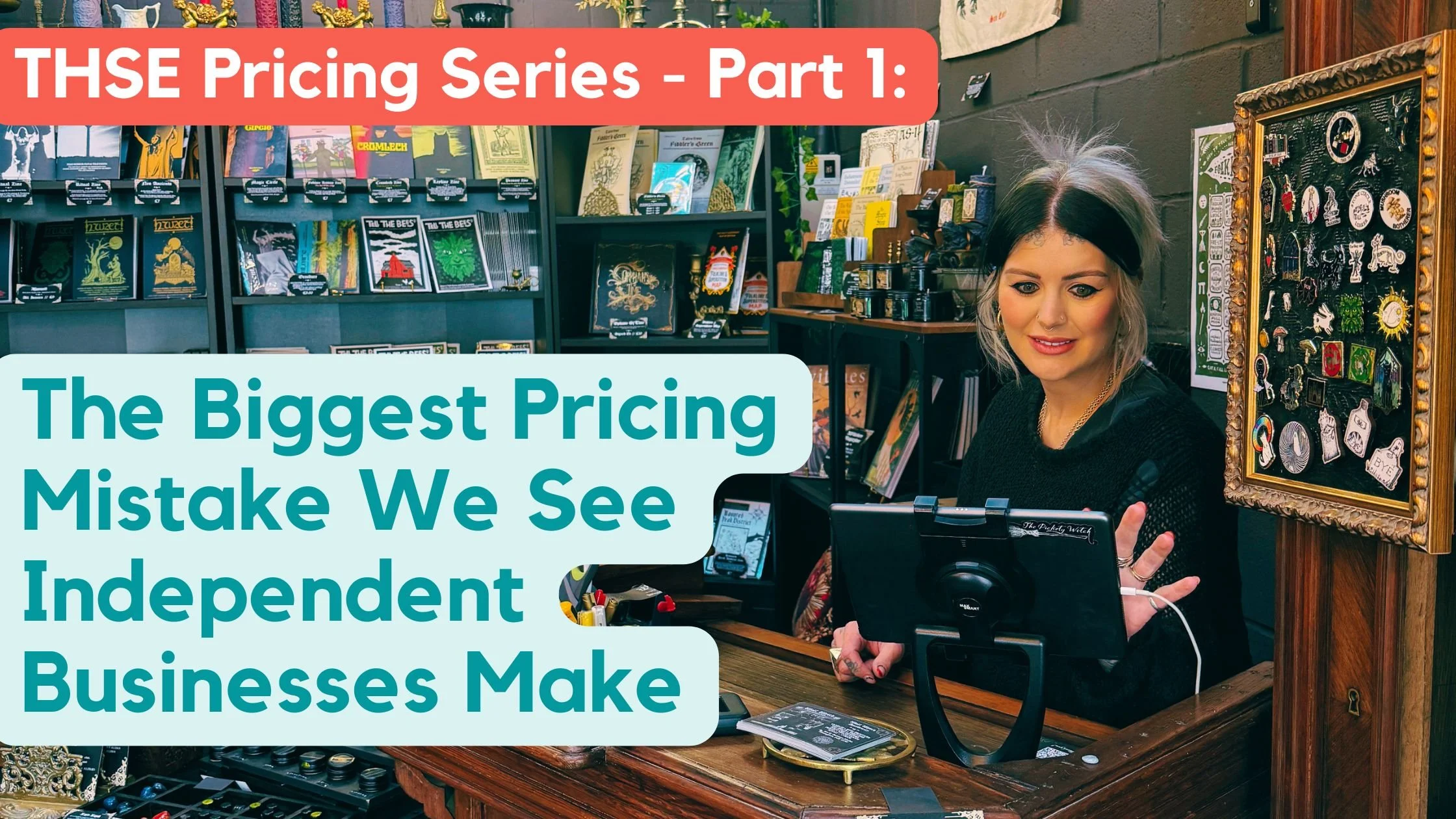
Wolf Wytch celebrate their uniqueness to demonstrate their value
Why competing on price is one battle independent retailers can't afford to fight.
If there's one conversation we've had more than any other over the past few years, it's about pricing.
Whether we're sitting in a café, chatting in a shop doorway or delivering business support on a high street, sooner or later someone says:
"People only want the cheapest price."
I completely understand why it feels that way.
Running costs continue to rise, with business rates, wages, utilities, insurance and supplier prices all increasing year after year. At the same time, customers are watching their own spending more carefully as the cost of living continues to bite. Add reduced footfall, online shopping and the convenience of next-day delivery into the mix, and it's easy to see why discounting can feel like the only option.
But I also believe it's one of the biggest myths holding independent businesses back. The trouble is that competing on price is a battle independent businesses are unlikely to win. There will always be someone bigger, buying in greater volume or willing to sacrifice profit simply to increase turnover.
Instead of asking,
"How can I be cheaper?"
we encourage businesses to ask a different question:
"Why should someone choose us, even if we're not the cheapest?"
That's where the conversation becomes far more interesting.
The Wetherspoons Effect
One café owner we worked with was understandably worried when they heard a Wetherspoons was opening just a few doors away. Their biggest concern was the unlimited refillable coffee for less than £3.
How could an independent café possibly compete with that?
The answer was surprisingly simple.
Don't.
Trying to match Wetherspoons on price would only damage their own business. Instead, we encouraged them to think about everything Wetherspoons couldn't offer: carefully sourced coffee, homemade cakes, a quieter atmosphere, personal service, staff who knew customers by name and the satisfaction of supporting local suppliers.
Rather than trying to attract everyone, they focused on attracting the customers who valued quality, atmosphere and independent businesses. The question stopped being:
"How do we beat Wetherspoons?"
and became:
"How do we become even better at being us?"
That's a completely different strategy.
Because if customers are only choosing you because you're the cheapest, they'll leave as soon as someone else is cheaper.
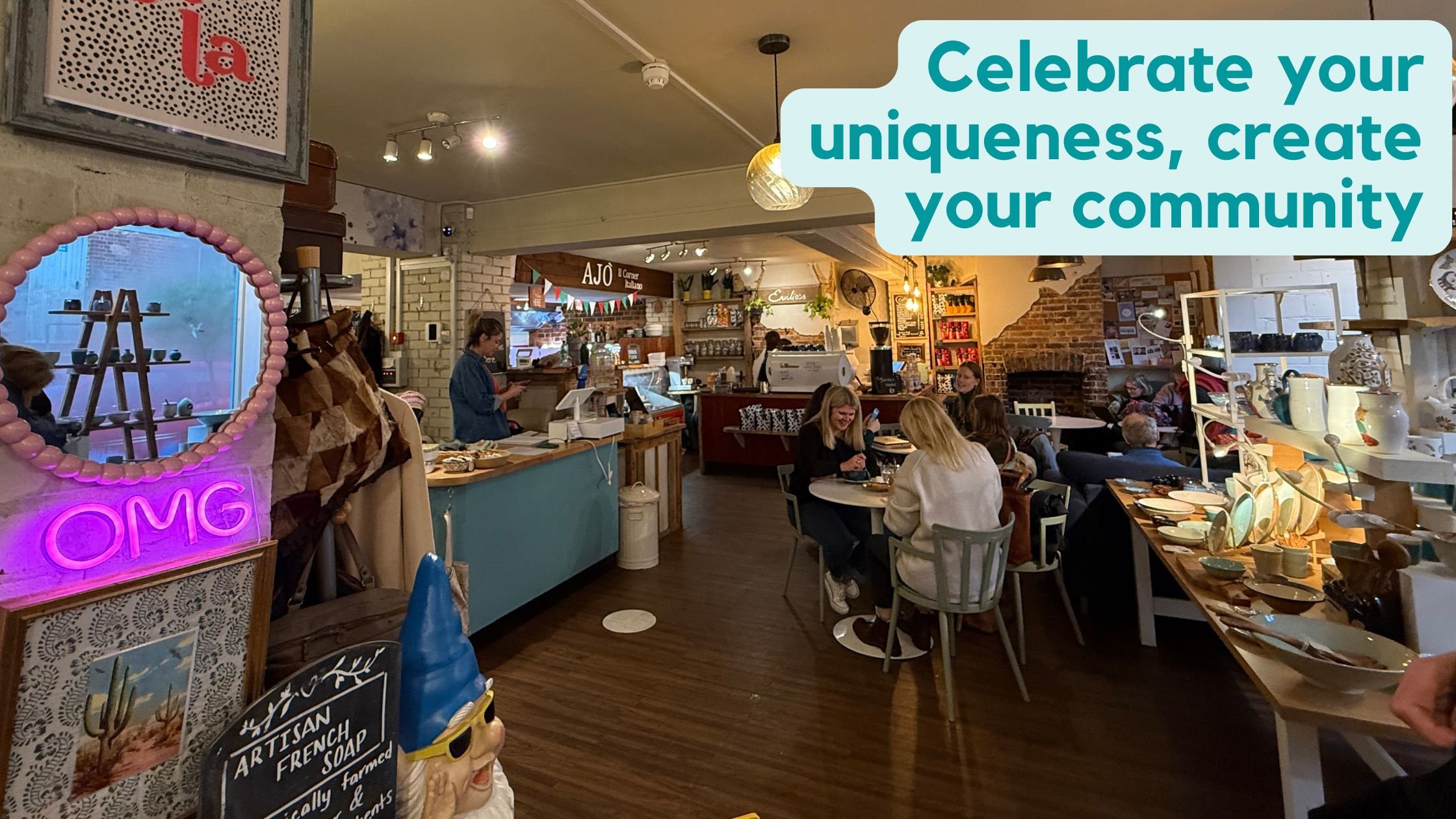
Expert knowledge, outstanding customer service, unique products, beautiful displays, community connections, personality and trust are all powerful reasons for customers to choose you over someone selling the same product for a pound less.
Value Beats Price
When we visit successful high streets, we rarely hear customers say,
"I always shop there because they're the cheapest."
Instead, we hear comments like:
"They always remember my name."
"They'll order something in specially for me."
"I trust their advice."
"The staff really know their products."
"It's just a lovely place to shop."
Those aren't pricing decisions.
They're value decisions.
For independent businesses, that value often comes from the very things national chains and online retailers struggle to replicate. Expert knowledge, outstanding customer service, unique products, beautiful displays, community connections, personality and trust are all powerful reasons for customers to choose you over someone selling the same product for a pound less.
Customers rarely tell their friends about the cheapest cup of coffee they've ever had.
They tell them about the best experience.
These are your competitive advantages. They're the things you should be talking about, celebrating and building your marketing around.
Sometimes the Smallest Changes Make the Biggest Difference
We've worked with retailers who increased sales without changing a single price.
Instead, they refreshed their window display, improved the way products were presented and created a stronger first impression for customers walking past.
People noticed.
More people came through the door.
More conversations led to more sales.
It wasn't the price that changed.
It was the experience.
The Coffee Test
Let's do a quick calculation.
Imagine you reduced every sale this week by just £1.
How many extra customers would you need simply to stand still?
For many businesses, the answer is surprisingly high.
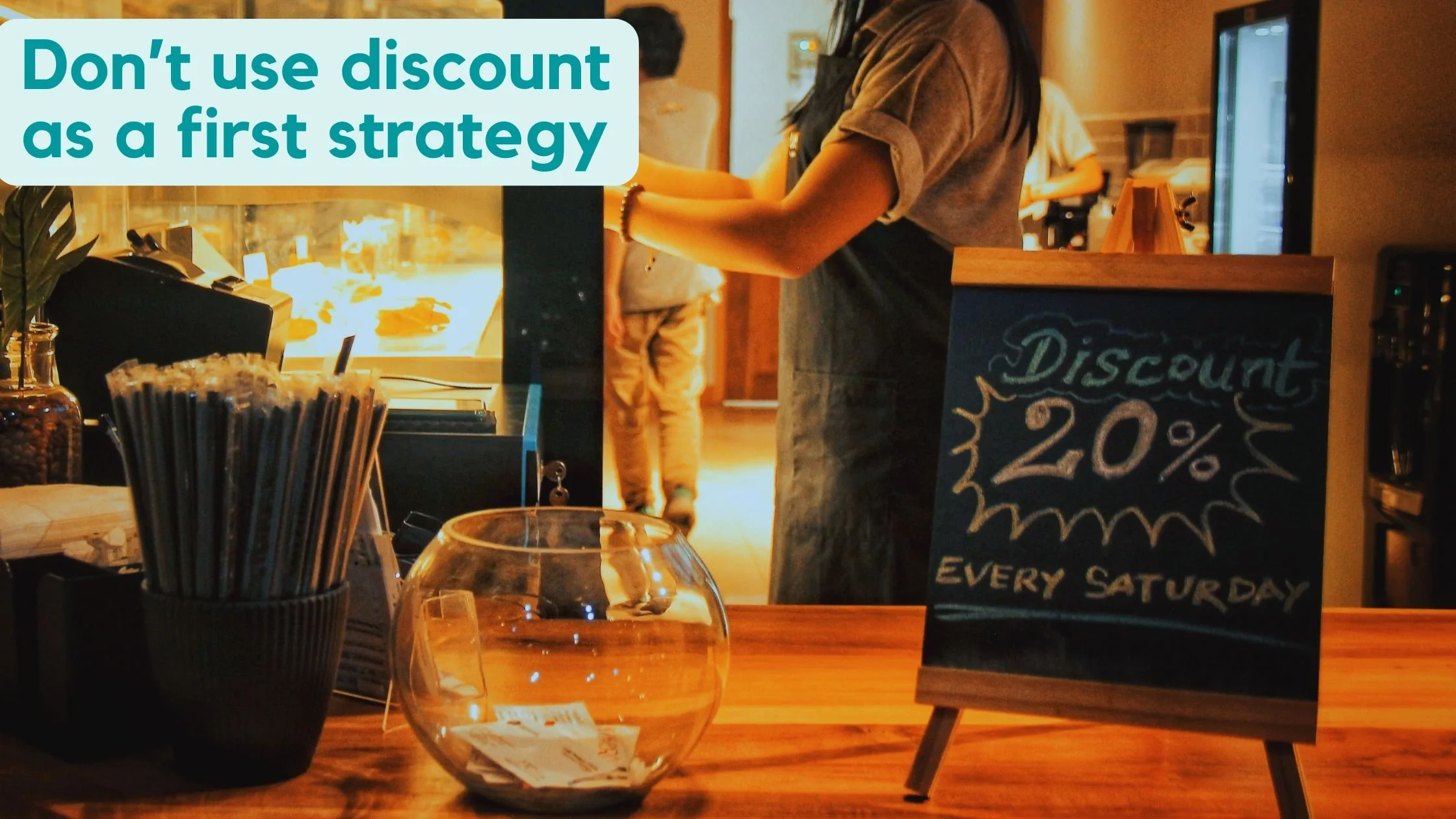
That's why discounting should be a carefully considered strategy rather than a habit. Once customers expect lower prices, it can be incredibly difficult to persuade them to pay full price again.
Every Business Makes a Promise
Every successful business stands for something.
Amazon is convenience.
Aldi is value.
Apple is innovation.
John Lewis is service.
What's yours?
Your business makes a promise too, and for most independent businesses it shouldn't be,
"We're the cheapest."
Perhaps your promise is expert advice, exceptional quality, friendly service, local knowledge, beautiful surroundings or products customers simply can't find elsewhere.
Whatever it is, make sure your customers know it and experience it every time they visit.
Those are promises worth protecting because, in the long term, businesses built on value almost always outlast businesses built on discounts.
At The High Street Experts, we help independent businesses uncover what makes them worth choosing beyond price. Whether it's refining your branding, improving your customer experience or developing a stronger marketing strategy, we'd love to help you build a business that customers value, recommend and return to.
People remember how you made them feel far longer than they remember what they paid.
Give customers a reason to return.
Give them a reason to recommend you.
Give them a reason to choose you.
Because the strongest independent businesses don't win by being the cheapest.
They win by being worth it.
Wendy Walker
The High Street Experts