THSE Pricing Series - Part 2: 3 Simple Tips That Could Make Your Shop More Profitable
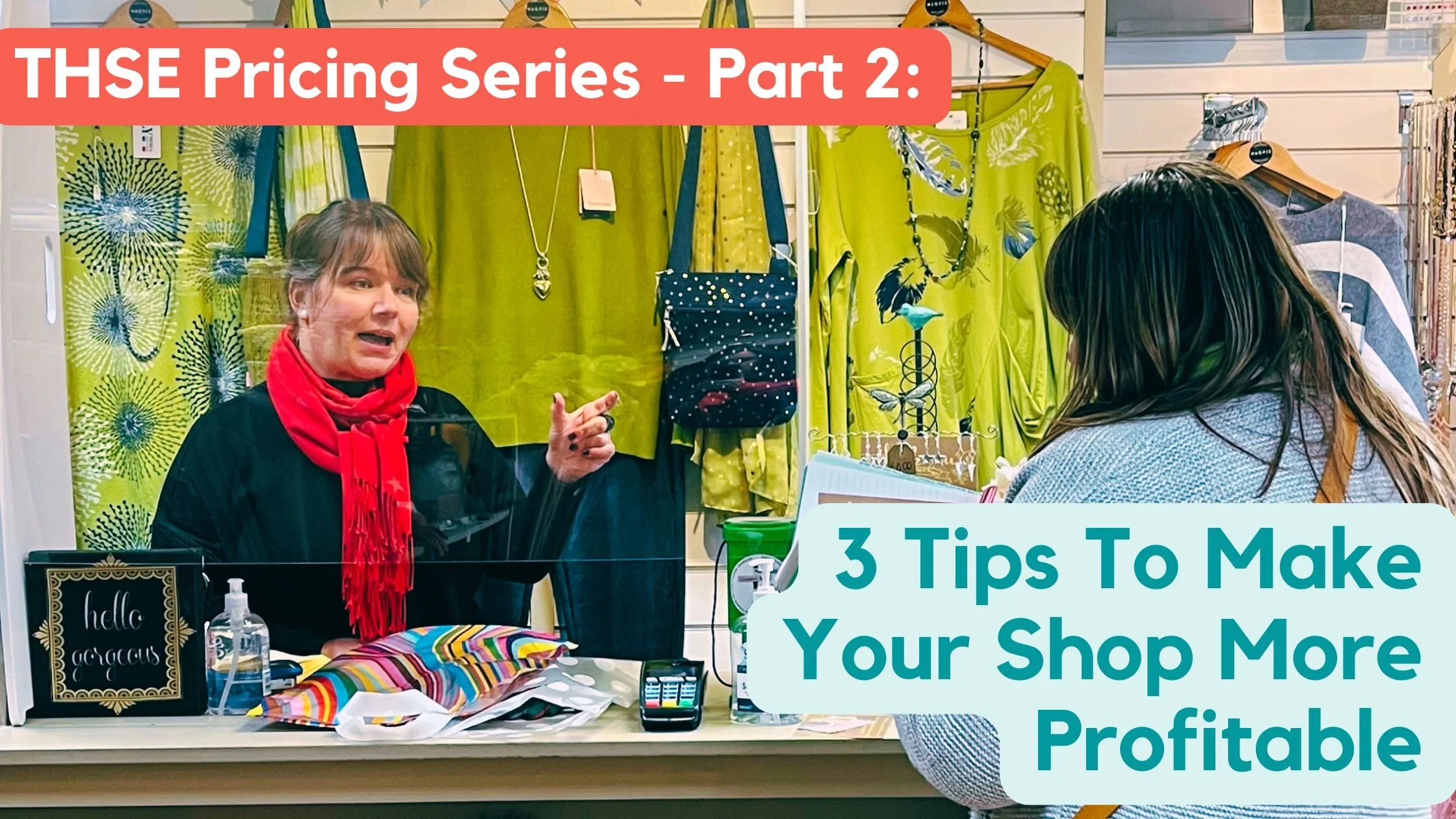
One of the biggest mistakes we see independent retailers make isn’t buying the wrong products - it’s not charging enough for them.
Pricing can feel uncomfortable. Many business owners worry they’ll put customers off, especially when the cost of living is on everyone’s mind. But underpricing can be just as damaging. If your prices don’t allow you to cover your costs, invest in your business and pay yourself properly, your shop simply isn’t sustainable.
Here are three pricing tips we regularly share with retailers during our workshops.
1. Price for value, not just cost
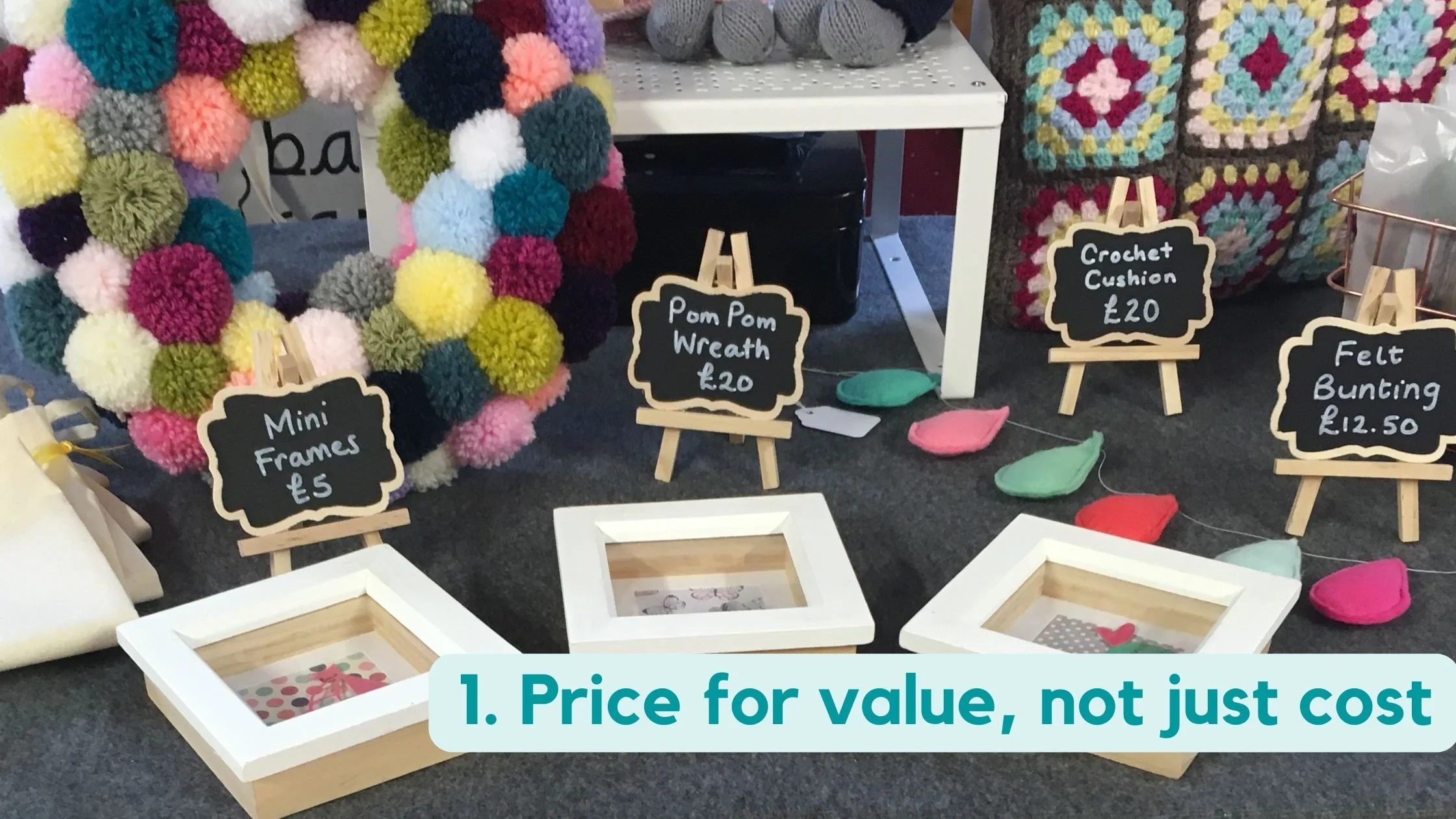
It’s tempting to take what an item costs, double it and stick it on the shelf. Whilst that might seem straightforward, it’s rarely enough to create a healthy, profitable retail business.
Instead, think about the value your customer sees.
Ask yourself:
Is this something they can’t easily find elsewhere?
Does it solve a problem?
Is it beautifully made or locally produced?
Does your expertise, customer service or presentation make it worth more?
People don’t simply buy products - they buy convenience, quality, trust, experience and emotion.
Of course, there will always be products where customers know the typical selling price. Those key lines need to remain competitive. But many of the products in your shop offer far more flexibility than you realise.
If customers are happily buying an item for £22, don’t automatically assume you have to sell it for £20. They may see excellent value at £24.95.
The question isn’t just, “What did this cost me?”
It’s also:
“What is this worth to my customer?”
THSE Top Tip
Every extra pound of margin you make goes straight towards covering your overheads and improving your profit. Small pricing changes across lots of products can make a surprisingly big difference over the course of a year.
A Thought on the Power of a Penny
Remember 99p Stores? Their entire brand was built around being just one penny cheaper than Poundland. It was a clever marketing idea that made them instantly recognisable and helped them grow into a successful national retailer.
However, it also highlights an important lesson for independent businesses.
Using .99 pricing as a psychological pricing technique is very different from building your whole business around being the cheapest.
A price of £24.99 instead of £25 can help customers perceive good value without significantly affecting your profit.
Promising to be cheaper than everyone else, on the other hand, can lock you into a race to the bottom where every penny matters.
As independent retailers, your biggest strength isn’t being the cheapest - it’s offering something different. Better service, expert advice, unique products, beautiful presentation and a memorable shopping experience all add value that customers are happy to pay for.
The lesson isn’t that pennies don’t matter. Quite the opposite. Pennies matter enormously - but they should be working for your business, not against it.
2. Make your prices work harder
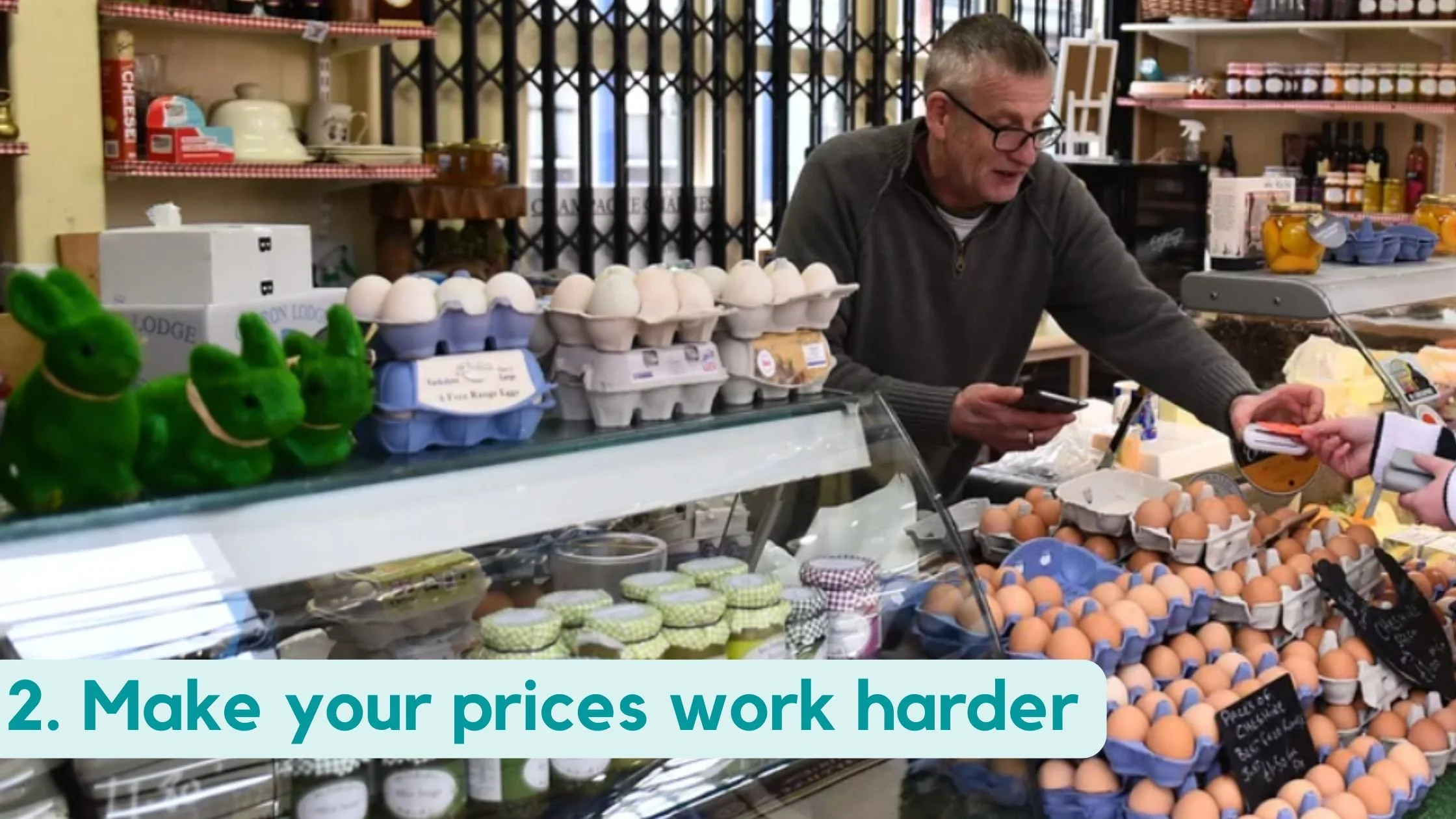
Pricing psychology is real.
You’ll notice many retailers price products at £9.99 rather than £10, or £24.99 instead of £25.
Whilst everyone knows it’s only a penny difference, our brains naturally focus on the first number we see. £24.99 still feels like “twenty-something”, whereas £25 feels like the next step up.
It won’t be right for every business.
Luxury brands often use whole numbers because they create a more premium feel. But for many independent retailers, prices ending in .99 remain effective and familiar.
If you’re currently pricing at £24.95, £19.50 or £29.75, it’s worth considering whether moving to £24.99, £19.99 or £29.99 creates a stronger psychological price point.
Those extra pennies aren’t about becoming the cheapest retailer—they’re about using proven pricing psychology while still protecting your profit margin.
THSE Top Tip
Choose one pricing style and use it consistently throughout your shop. Consistency builds trust and gives your business a more professional appearance.
3. Think about your price points
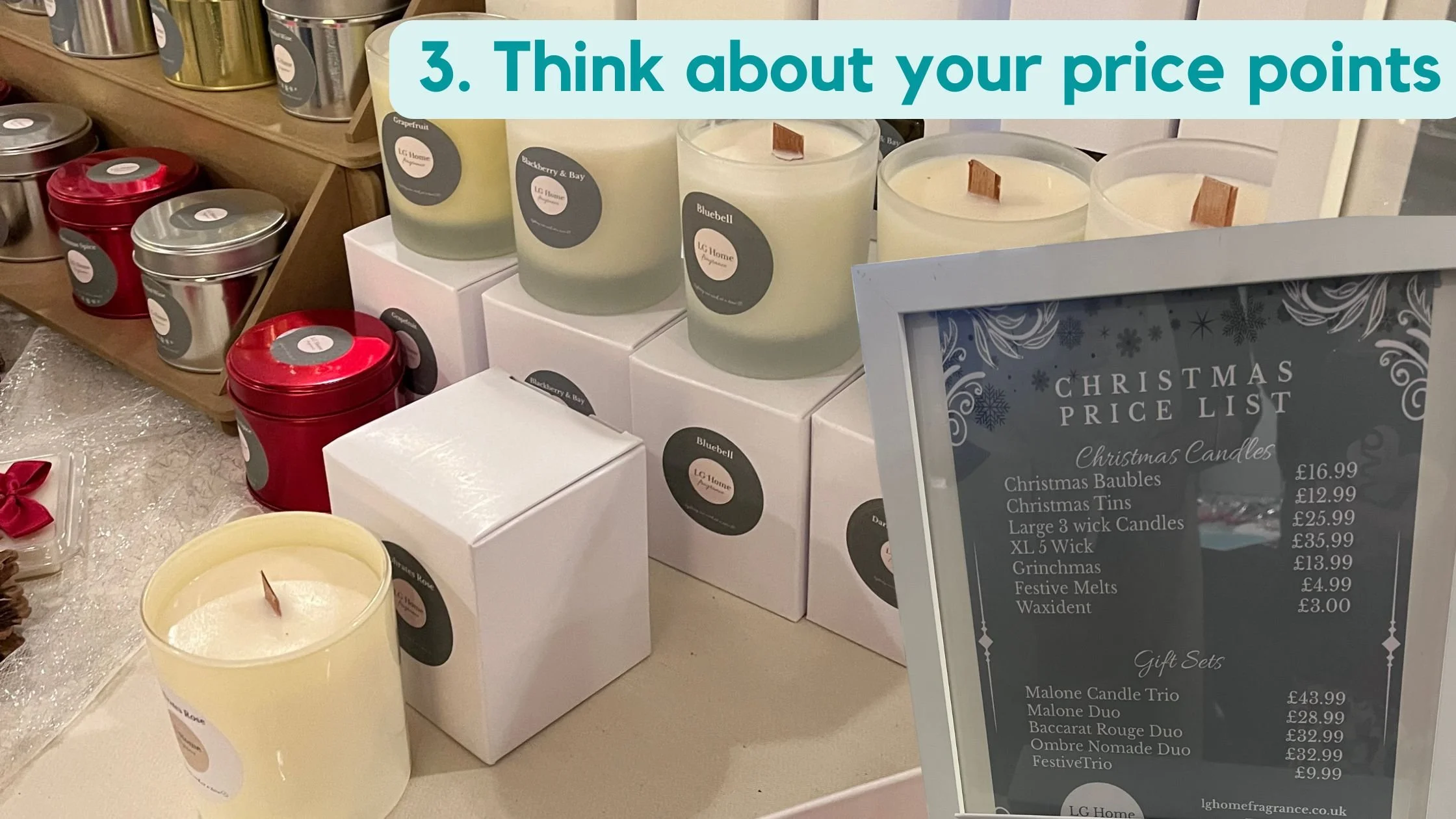
Customers naturally compare prices in bands.
For example:
£9.99 often feels more appealing than £10.99.
£24.99 can feel much better value than £26.
£49.99 often sits more comfortably than £52.
If a customer already feels a product is worth around £25, they are unlikely to walk away because you’ve priced it at £24.99 instead of £22.99.
The same applies to higher-priced products.
Common psychological price points include:
£19.99
£24.99
£29.99
£49.99
£79
£99
£149
Rather than choosing random prices, think about where your products sit within these natural buying decisions.
A small increase on selected lines can improve your overall profitability without affecting sales.
THSE Top Tip
Review your prices at least twice a year. Supplier costs, wages, utilities and packaging all increase over time. If your prices stay the same year after year, your profit quietly disappears.
Final Thoughts
Pricing isn't about charging as much as possible.
It's about charging fairly for the value you provide, ensuring your business remains healthy and profitable, and giving yourself the confidence to invest in your future.
As we often say during our workshops:
Don't assume you need more customers.
Sometimes you simply need to make a little more from the customers you already have.
A small increase across carefully selected products can often have a greater impact on your profitability than chasing extra sales at lower margins.
Take an hour this week to review a handful of products.
Ask yourself:
Could this product support a slightly higher price?
Am I communicating its value clearly enough?
Am I charging with confidence?
You might be surprised how a few thoughtful pricing adjustments could strengthen your business without selling a single extra item.
Wendy & Ophelia
The High Street Experts